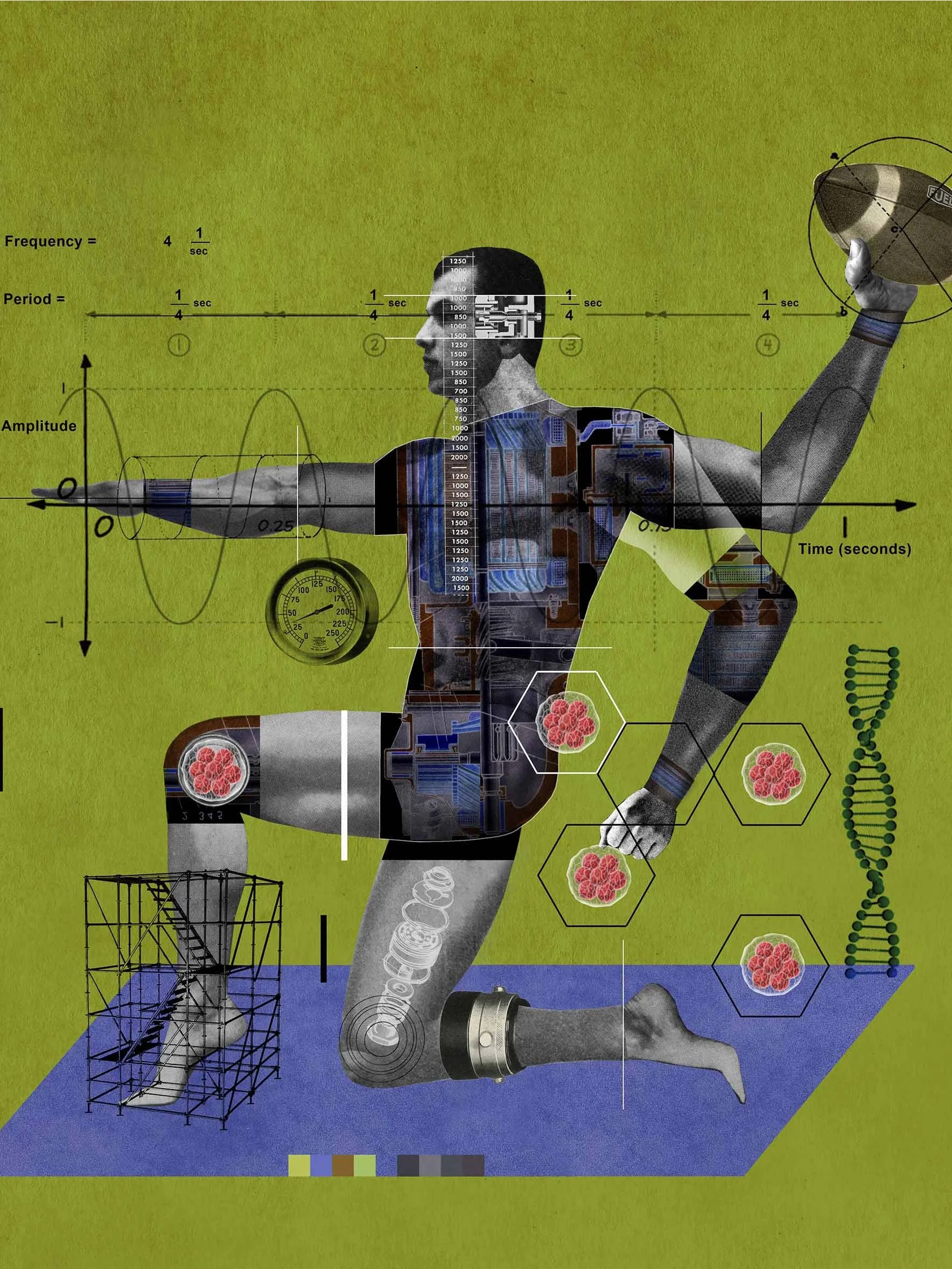
Your body is your own best natural resource.


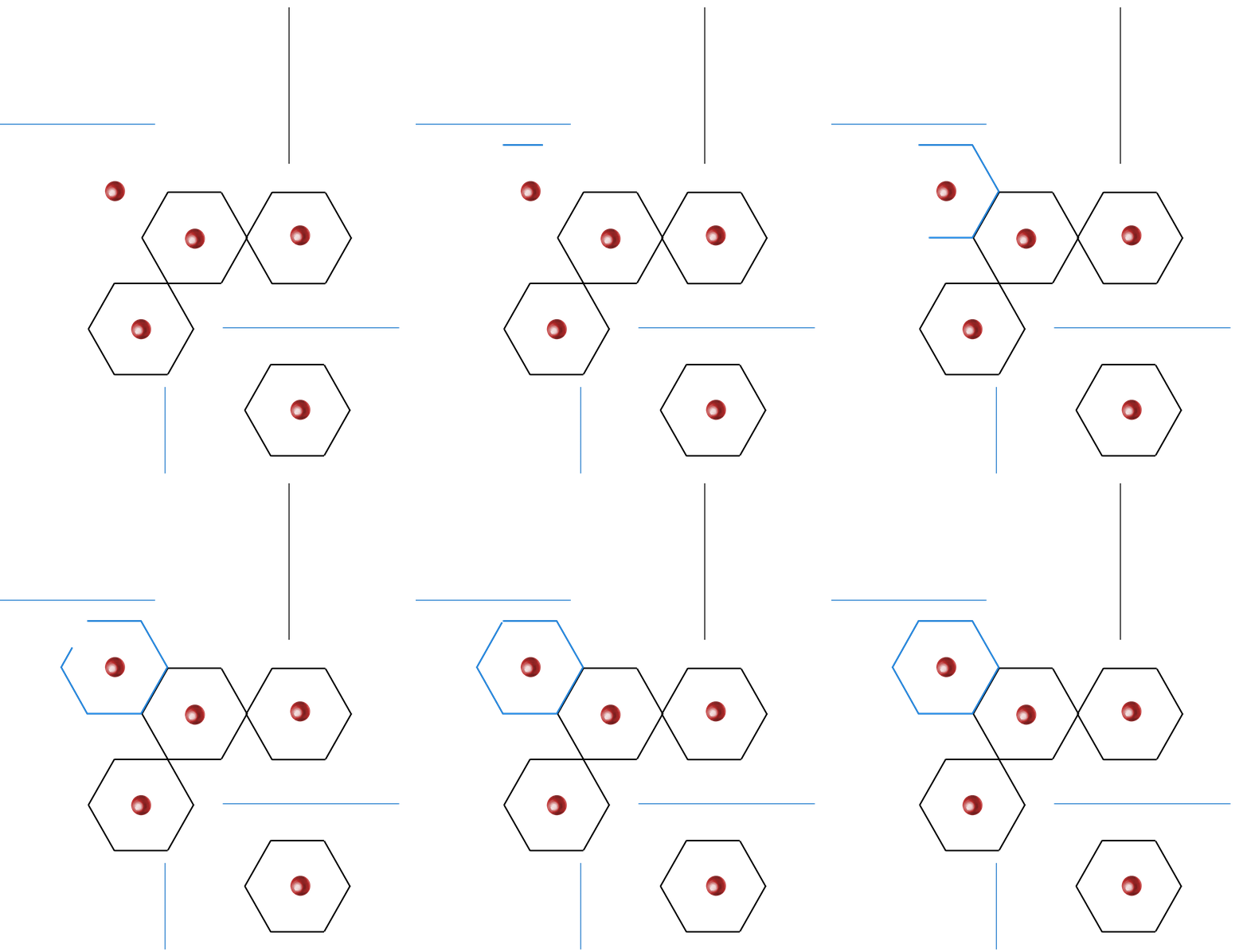
A different way to heal, starting with your own body
FUEL offers regenerative therapies designed to help your body repair, recover, and perform at a higher level.
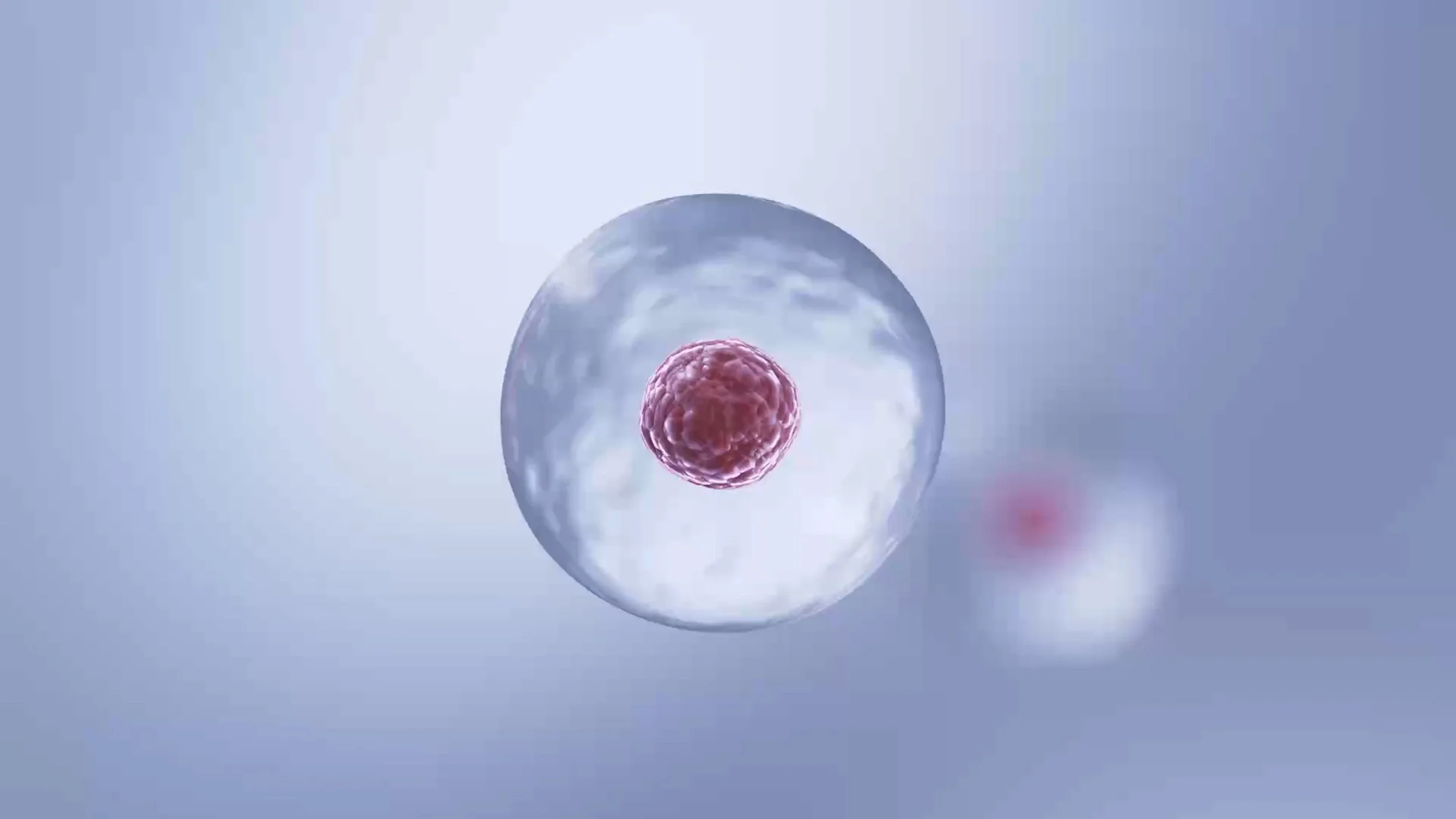
Rethink what’s possible.
Most medicine is built around managing problems. Reducing pain. Controlling symptoms. Keeping things from getting worse. Sometimes that’s necessary. But there’s another way to think about it.
What if your body had the right support to actually repair what is going on?
Yes, your body can.
Your body is not passive. It’s constantly repairing. Adapting. Responding. Even now.
It’s not that your body can’t heal. Just that sometimes it needs help to heal well.
We work with your body.
Begin with your body? Yes.
We use therapies derived from your own biology to support healing.
Force change? No.
Help body to do what it was already designed to do.

“
It’s not one thing. It’s
how everything works together.
”
Dr. Jonathan Phillips
What is Regenerative Therapy?
Regenerative therapy uses your body’s own systems to support healing.
Cells that help repair tissue. Signals that direct healing. Biologic systems that control recovery.
Instead of adding something foreign, we activate what’s already there.
-
Regenerative therapy uses your body’s own biology—its cells, blood components, and signaling systems—to support healing and function.
At FUEL, this includes tools like PRP and stem cells, used to treat joints, spinal structures, and other areas of dysfunction, and in some cases to support broader systemic health.
These therapies are valuable not because they are exotic, but because they work with biology that is already native to you.
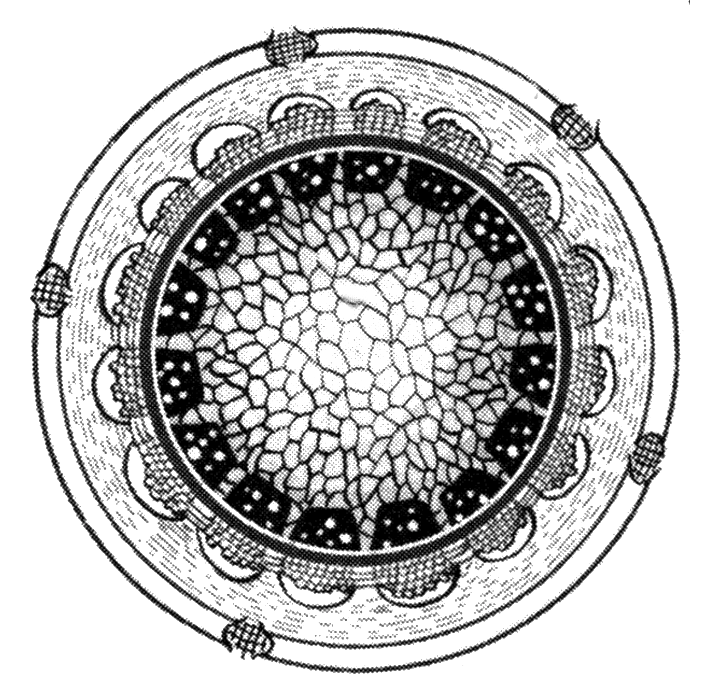

Where do stem cells come from?
Three ways to activate healing
Stem Cell Therapy
Supports repair where your body needs it most.
-
Stem cells have the capacity to contribute to healing across a range of tissues—including bone, muscle, tendon, and ligament—based on what the body needs.After being introduced into a targeted area or delivered systemically, stem cells participate in the body’s natural repair processes.
Because stem cells come from your own body, they are already biologically aligned with you. They support compatibility and integrate with your existing signaling systems.
Depending on your evaluation and treatment goals, stem cells may be delivered locally or used more broadly to support systemic recovery.
In practice, this approach is often considered when the goal is to support deeper or more structural repair, particularly in cases where tissue has been damaged, weakened, or is slow to recover.
Stem cell therapy is not used in isolation. It is integrated into a broader plan based on what makes the most sense for your body and your goals.
PRP (Platelet-Rich Plasma)
Helps signal your body to begin healing.
-
PRP involves drawing a small amount of your blood to concentrate the platelets and bioactive proteins that support the body’s repair processes.PRP is useful because it delivers growth factors to areas that may not be healing effectively on their own, helping direct and activate the body’s repair response.
In practical terms, PRP is often used when the body needs a clear signal to begin repairing an area that has not fully healed.
This signaling activity can support, collagen production, enhanced tissue quality and resilience, and help regulate inflammatory signaling. It supports a shift toward longer-term recovery rather than short-term symptom relief.
PRP is often used in joints, tendons, and other soft tissues—especially where tissue is stressed, degenerative, or slow to recover. It has been found to be especially useful in earlier-stage injuries, overuse conditions, or situations where improving tissue quality may help prevent further breakdown.
In some cases, PRP is used on its own. It is used alongside other therapies to help guide and enhance how those therapies function within your body.
Because it uses your own biology and is relatively straightforward to prepare and deliver, PRP is often one of the first regenerative therapies considered.
Peptide Therapy
Improves how your body responds and recovers.
-
Peptides are short chains of amino acids that act as signaling molecules in the body. They help to regulate processes such as tissue repair, inflammation, metabolism, recovery, and cellular communication.In simple terms, peptides function as messengers. They help cells and tissues respond more effectively to what your body is already trying to do.
In practice, this can include supporting how the body responds to injury, how it manages inflammation, and how efficiently it recovers after stress or activity.
Peptides are selected based on your goals and used to help regulate specific processes involved in recovery, metabolism, inflammation, and overall function.
Different peptides are used for different purposes, which is why selection is individualized rather than standardized.
Peptides are not used as standalone solutions but as part of a broader regenerative approach, supporting the environment in which healing and recovery take place.
Because they work by supporting existing signaling pathways rather than forcing a response, their role is often to improve how well your body—and other therapies—can perform over time.
A coordinated approach
Healing doesn’t happen in isolation.
Stem cells contribute to tissue repair.
PRP delivers signals that help initiate healing.
Peptides target specific pathways involved in recovery and function.
Sometimes these biologics work together. At others, individually.
The specific choice depends on what’s right for you.
-
Healing is not a single event. It is a coordinated process involving repair, signaling, and regulation.
At FUEL, we use different therapies to support different parts of that process based on what your body needs.
Some approaches help initiate healing activity. Others contribute to tissue repair. Still others help regulate the systems involved in recovery and function.
In some cases, we combine therapies to support multiple aspects of healing at once. In others, we use a more focused approach.
PRP may also be used alongside stem cells to help guide how those cells function by using your body’s own growth factors to direct their activity.
At all times, Our goal remains the same: To use only what makes sense—for you.

Where Regenerative Therapy can help
Treating What’s Not Working
Joint pain (knees, hips, shoulders)
Tendon and ligament injuries
Back and spine issues
Ongoing inflammation
Early-stage degeneration or arthritis
Optimizing What’s Still Working
Staying active and mobile over time
Improving recovery from activity or training
Enhancing performance and resilience
Supporting long-term joint and tissue health
Preventing future breakdown or injury
-
Regenerative therapy relies on your body’s own biology. Its uses your bodies cells, blood components, and signaling systems to support healing and function.
At FUEL, this therapy includes tools like PRP and stem cells to treat joints, spinal structures, and other areas of dysfunction. In some cases we use regenerative therapy to support broader systemic health.
What’s your treatment goal?
Something is wrong
Pain. Injury. Loss of function.
You want to stay ahead
Better recovery. Stronger performance.
Long-term health.
Many patients seek both.
After all, healing and improvement are part of the same process.

“
You can get back to where you were — or you can go beyond it.
”
Dr. Jonathan Phillips
Evaluation
to understand what’s going on — and what you want to achieve.
Personalized Plan
built specifically around your body and your goals.
Targeted Treatment
delivered precisely where it’s needed.
Ongoing Support
to help your body respond and improve over time.
A smart, four-step process.
-
This could simply link to the Sports medicine page

Precision matters.
Treatment isn’t guesswork.
We use imaging and precise techniques to ensure therapies are delivered exactly where they’re needed.
Achieving optimal results.
Regenerative therapy works best when your body still has something to work with.
Earlier-stage issues often respond best. More advanced conditions may require other approaches.
Our role is to help you understand what makes sense—for your body, right now.

“
Treatment isn’t standardized. It’s built around the individual.
”
Dr. Jonathan Phillips
Considering beyond cost
Regenerative treatments are not typically covered by insurance. For many patients, other questions influence their treatment decisions:
What is it worth to move without pain?
To stay active?
To avoid bigger problems later?
At a certain point, it’s not just about cost.
It’s about what’s possible.

Your body, reconsidered.
Your body already has the ability to heal. That doesn’t mean it always will on its own. But with the right support, the right signals, and the right approach, it can often do more than you expect.
Find out what’s possible for you.
SCHEDULE CONSULTATION
The time to achieve peak performance is now. Let’s work together to get you moving – and keep you moving – at your very best
NYC METRO
FLAGSHIP FACILITY – COMING SOON
210 Meadowlands Parkway
Building A
Secaucus, New Jersey 07094
201-834-3835
info@fuelmed.com
TAMPA
FUEL REGENERATIVE CLINIC
2835 West De Leon Street
Suite 203
Tampa, Florida 33609
813-572-3835
info@fuelmed.com
CONTACT
info@fuelmed.com
NYC Metro:
201-834-3835
Tampa:
813-572-3836


© 2026 FUELMED LLC ALL RIGHTS RESERVED